Skip to content
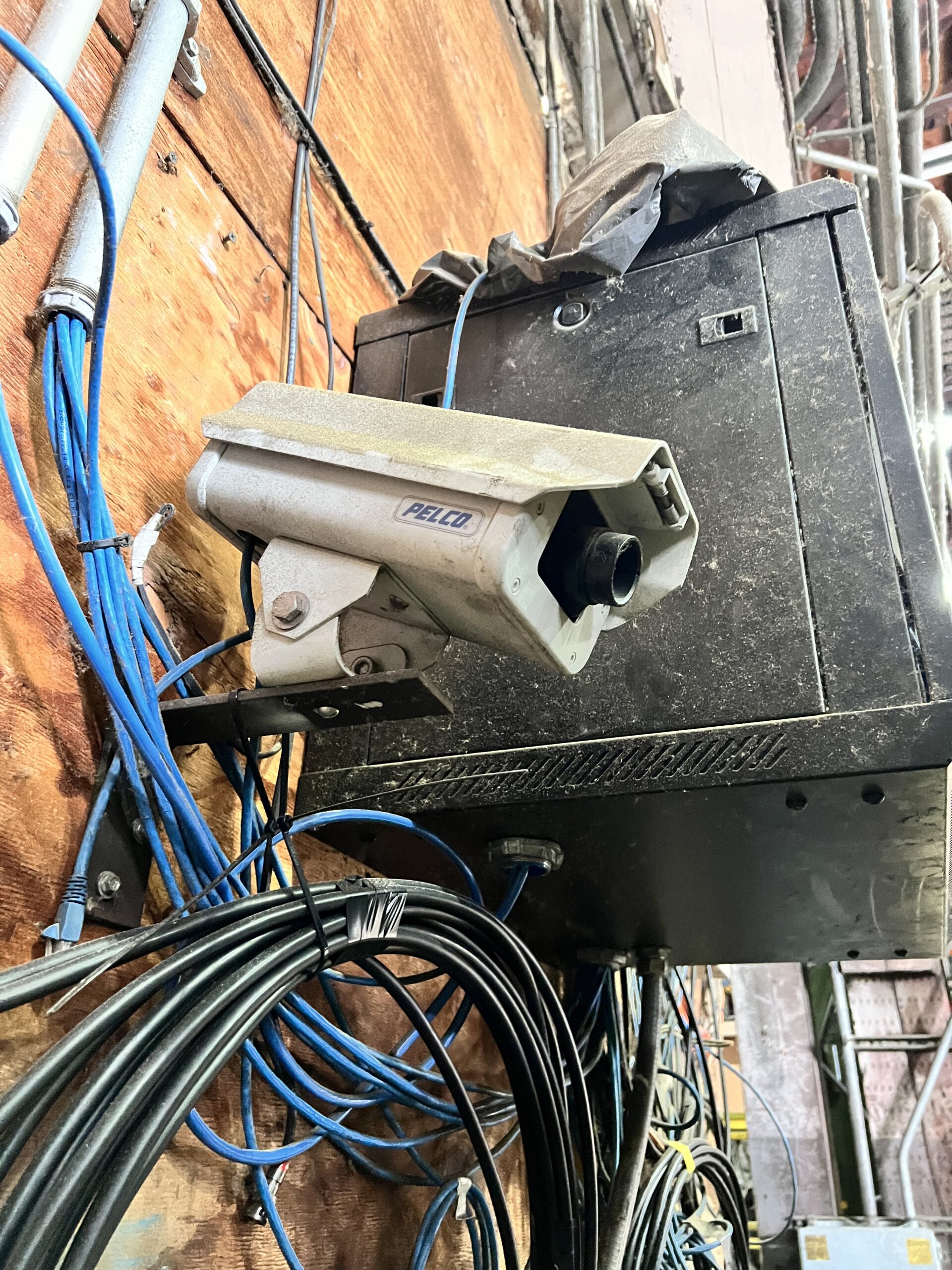

For decades, sawmills relied on a simple formula to protect their video cameras: buy a standard box-style camera, place it inside a rugged metal housing, seal it up, and hope it survived the environment.
For the most part, this worked. The housing took the beating, the camera stayed functional a bit longer than if it weren’t protected, and operators got the visibility they needed on the line.
But that era is officially over.
Camera housings are no longer being manufactured. The knock-offs that temporarily filled the gap have disappeared, too. For sawmills trying to keep their operations visible, safe, and efficient, this disappearance has created an urgent question:
With camera housings gone… What now?
Let’s break down what happened, what’s failing today, and how sawmills are successfully replacing outdated setups.
The Old Solution: Box Cameras In Heavy Housings
If you’ve been in the lumber industry long enough, you’ve used them: long, bulky housings made of enough metal to help whatever’s inside temporarily survive the chaos of a mill floor.
Inside those housings sat a box-style camera—maybe with enough space to add a little padding to help the device survive vibration.
This setup became standard for a few reasons:
- It kept dust and debris away from the electronics
- It offered some protection from wood chips
- It allowed sawmills to use commercial box cameras in harsh environments
Sawmills built entire video monitoring systems around this approach. And some still have dozens of these housings mounted across their lines.
Unfortunately, the camera industry has moved on. So now when a housing hits its end of life, there’s no option to replace it.
Housings Are Gone—And They’re Not Coming Back
The global shift toward all-in-one bullet and dome cameras has effectively killed the market for standalone industrial housings. Manufacturers no longer have the demand, scale, or supply chain to justify keeping them in production.
So over the last few years:
- Housing manufacturers discontinued their product lines
- Distributors sold the last of their inventory
- Knockoff versions that temporarily filled the gap have vanished as demand continued to shrink
Today, these formerly popular housings aren’t just “hard to find.” They’re obsolete. This leaves sawmills in a bind. The entire rugged-housing-based ecosystem—box cameras, replacement parts, accessories—was designed for a world that no longer exists.
Many facilities are now scavenging used housings, buying them secondhand, or trying to repair cracked units that should have been retired years ago. But none of this is sustainable.
The Failing Backup: Vandal Dome Cameras and Bullet Cameras Aren’t Built for Sawmills
When they can’t find replacement housings, many mills have turned to vandal domes and bullet cameras or commercial-grade “weatherproof” models marketed as rugged. They’re inexpensive, readily available, and easy to mount.
Unfortunately, they fail fast—and they fail very fast in a sawmill. Here’s why:
1. No Vibration Resistance
Commercial cameras have delicate internal components and are designed for static environments. In a sawmill—especially near debarkers, canters, and sawlines—vibration destroys them…quickly.
2. Not Built for Impact
One stray log or piece of debris can take out a bullet camera instantly. They simply aren’t designed to take hits. Whereas rugged cameras, like Opticom Tech’s CC04 on a vibration mount, can and have survived direct hits.
3. Lifespan Is Measured in Weeks
With sawdust infiltrating seals and electronic components unprotected from vibration, commercial cameras just can’t last in sawmills.
Some mills report replacing their cameras monthly, with some not even lasting a week. This process turns “cheap cameras” into a very expensive line item.
Commercial cameras might be perfect for warehouses or offices, but they simply do not belong on the sawmill floor.
The Right Solution: Rugged Industrial Cameras With Built-In Housings
The industry has moved toward a far better long-term solution: rugged industrial cameras with integrated housings, designed specifically for harsh environments like sawmills.
The Opticom Tech CC02 is the perfect example of equipment built to withstand everything a sawmill can throw at it.
Instead of squeezing a fragile camera into a protective box, the CC02 is engineered from the ground up as one unified device:
- Rugged titanium alloy housing that protects sensitive electrical components
- Shock- and vibration-resistant construction
- Industrial connectors
- Built-in vibration mount
- Dust and debris resistant housing
- Available in analog or IP (no need to jump to IP until you’re ready)
Most importantly, it solves the root problem: you no longer depend on an obsolete accessory.
The housing is the camera. The camera is the housing.
No more mismatched components.
No more discontinued parts.
No more replacing bullet cameras every month.
Why Sawmills Are Transitioning to Integrated Rugged Cameras
1. Reliability
Industrial cameras like the CC02 survive conditions that destroy commercial cameras:
- Extreme vibration
- Flying debris
- Constant dust exposure
- Log hits
- High-temperature areas
Many mills run these devices for years (even decades) without failure.
2. Better Long-Term Cost of Ownership
Commercial cameras appear cheaper (even though that’s not necessarily true), but frequent replacements, unscheduled downtime, and labor costs make them far more expensive over time.
Rugged cameras last exponentially longer, leading to a lower total cost of ownership.
3. No Need to Go IP
Many sawmills assume that moving away from box cameras means they must convert everything to IP.
But that’s not the case.
We continue to offer industrial cameras in analog as well as IP formats, letting mills:
- Use existing cabling
- Keep existing DVRs
- Maintain operator workflows
- Upgrade durability without overhauling the network
IP remains a great option for mills ready to modernize—but we won’t push you into that switch before you’re ready.
4. Reduced Downtime
When cameras fail, operators lose visibility and production has to stop.
A rugged, built-in-housing camera drastically reduces monitoring interruptions and keeps the line running safely and efficiently.
How Sawmills Are Making the Transition
Most mills follow a three-step path:
Step 1: Replace Cameras In the Harshest Zones First
Debarkers, canters, edgers, chippers, and planer lines are the biggest camera killers. This is where rugged cameras deliver the fastest ROI.
Step 2: Standardize Mounting and Cabling
Industrial cameras work best with the right brackets and vibration mounts. Many mills retrofit existing mounts or switch to shock-absorbing hardware designed for sawmills.
Step 3: Expand Beyond Problem Areas
Once operators see how much more reliable rugged cameras are, they often replace more of the system over time—especially as legacy equipment reaches end-of-life.
Separate Housings Are Extinct
Camera housings disappearing has caused some short-term disruption. But in the long term, it’s leading sawmills toward better, more durable, more cost-effective technology.
Instead of cobbling together outdated housings with fragile cameras, sawmills are choosing equipment built specifically for their environment—rugged, integrated, industrial-grade systems that can survive in sawmills.
If your mill is still relying on aging housings or commercial bullet cameras that constantly fail, now is the time to modernize. The right cameras will:
- Reduce downtime
- Improve operator visibility
- Lower maintenance costs
- Increase safety
- Deliver long-term ROI
Want help determining the right replacement for your old housing-based system? Opticom Tech has been designing sawmill-ready camera solutions for more than 50 years. We’d be happy to walk you through your options. Contact us now.