Skip to content
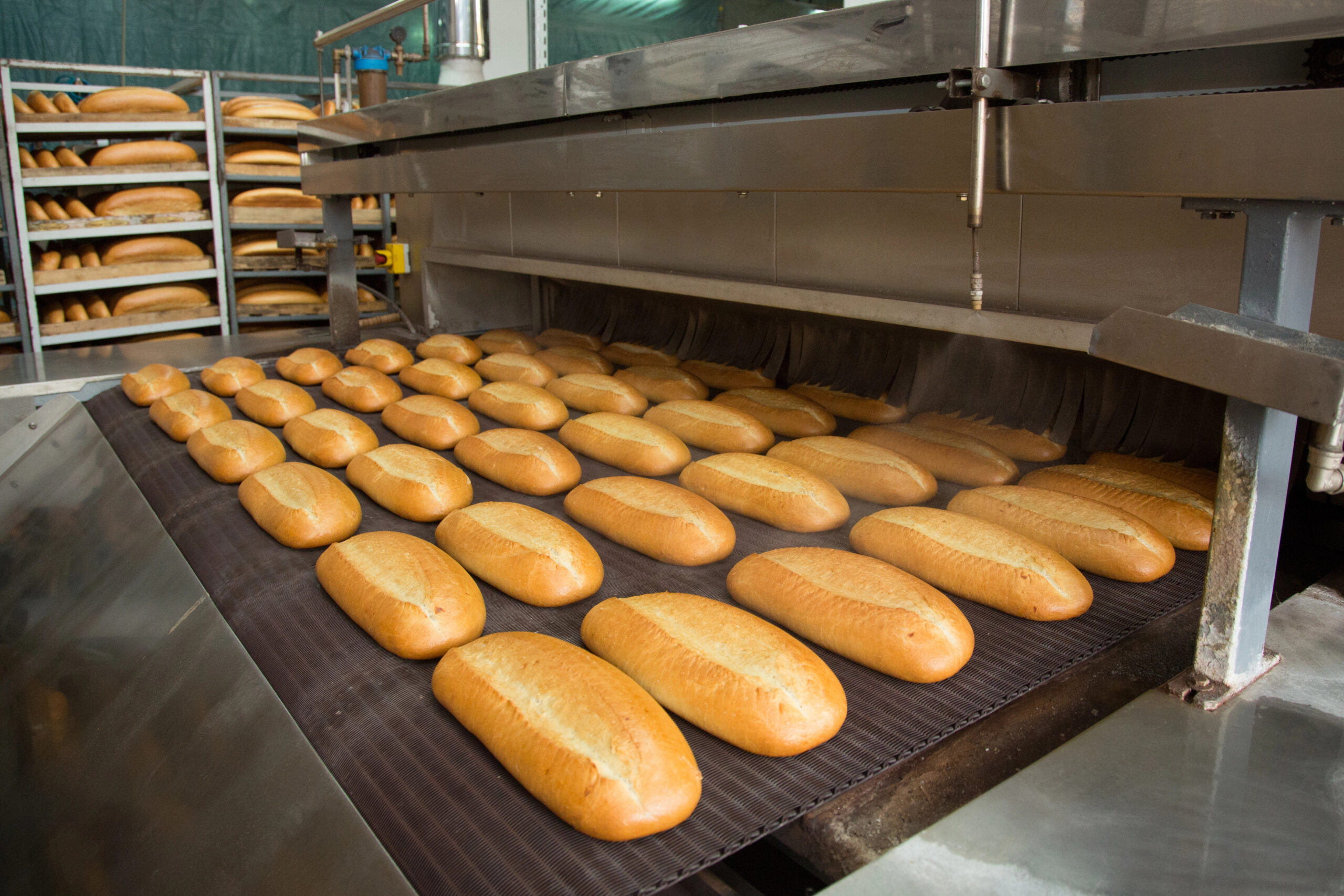
Adding cameras to a food production line usually starts with a simple idea: visibility. Operators want to see what’s happening. Engineers want fewer blind spots. Quality teams want documentation when something goes wrong (or even insight to prevent it from happening).
What follows is rarely simple.
Food processing environments place very specific demands on any video system. Washdowns, chemical exposure, heat, vibration, and regulatory pressure all shape whether a camera installation becomes a long-term asset or a recurring headache.
The difference often comes down to the questions asked before anything gets mounted.
So let’s talk about the operational questions food processors should ask before adding or upgrading cameras, with a focus on performance, reliability, and long-term usability.
1. What Problem(s) Are We Trying to Solve through Video Monitoring?
Cameras get installed for many reasons, yet too often the purpose remains vague.
Some facilities want to:
- Identify bottlenecks
- Prevent recurring downtime
- Improve quality control visibility
- Support root-cause analysis
- Monitor manual processes
- Document sanitation or changeovers
Each of these use cases requires different camera placement, image quality, video management system implementation, and retention strategy.
A system designed to analyze production flow can look very different from one intended to support food safety investigations. Without clarity here, teams either overspend on features they never use or underbuild a system that cannot deliver useful insight.
Read more about the distinction between general surveillance and operational monitoring in food processing facilities.
2. Where Will the Cameras Actually Live?
Food processing environments are punishing by design. This is why, before selecting hardware, it’s essential to understand:
- Washdown intensity and frequency
- Chemical exposure during sanitation
- Temperature fluctuations, humidity, and freezing temperatures
- Vibration from nearby machinery
- Proximity to food contact zones
- Cleanroom equipment requirements
These conditions immediately rule out standard commercial cameras for many production areas. In food processing facilities, you need industrial cameras that can withstand harsh conditions.
In wet or corrosive environments, camera enclosure design matters as much as optics. Stainless steel housings (AISI SS316L rated), sealed connections, and hygienic construction prevent contamination and premature failure.
3. How Will the Cameras Support Food Safety and Quality Control?
Cameras increasingly serve as operational tools rather than passive recorders. In food processing, they can support:
- Verification of sanitation procedures
- Review of handling practices
- Investigation of contamination events
- Documentation for audits and compliance
Facilities that integrate video into their quality workflows tend to gain more insight and fewer surprises during audits.
4. Can the Equipment Survive Washdowns?
You won’t need cameras that survive washdowns everywhere. For instance, offices and warehouses can usually get by on commercial cameras. But wherever you have high-pressure water, caustic chemicals, and frequent temperature changes, you need rugged cameras.
Consider these factors before buying them:
- IP rating suitable for washdown
- Resistance to corrosion and chemicals
- Sealed connectors and cabling
- Hygienic design that avoids residue buildup
Ruggedized AISI SS316L stainless steel cameras typically check all these boxes.
5. How Will Your Video Footage Be Stored, Accessed, and Reviewed?
Most food processing facilities don’t have operators watching live feeds 24/7, which means it’s important to think about video storage during camera system design. Access and shareability are critical in the long run—and it needs to be configured correctly before an incident happens.
Here are questions to consider for video management in food processing plants:
- How long should footage be retained?
- Who needs access and under what conditions?
- Is footage reviewed live, post-event, or both?
- Does video need to integrate with existing systems?
- Will videos be shared externally with auditors or regulators?
Operational video systems often serve engineers, QA teams, and management simultaneously. Designing access and storage around real workflows avoids friction later. This is especially relevant in larger facilities or multi-line operations, where video data volume grows quickly and unmanaged systems become difficult to scale.
6. How Well Will the System Integrate with Existing Operations?
A video system should support production and business operations, not disrupt them.
For that to happen, you need to evaluate:
- Network load and bandwidth requirements
- Compatibility with existing infrastructure
- Ease of cleaning and maintenance
- Downtime during installation or repairs
Plan integration early on to avoid performance issues, unplanned expenses, and maintenance bottlenecks later on.
7. Who Owns the System Internally?
Every successful deployment has a clear owner. For video monitoring in food processing facilities, the owner can be maintenance, facilities management, or IT.
There’s no wrong choice here. The only thing that matters is making that choice because without ownership:
- Maintenance slips
- Footage goes unused
- Problems go unreported
- ROI declines over time
8. Is the System Built to Scale with the Facility?
Production environments change. Lines expand, products evolve, compliance requirements shift. This is why a camera system should accommodate:
- Adding cameras without being locked in to one vendor
- Shifting cameras for production line reconfiguration
- Changes to processes and regulation
- Increased data volume
Systems built with scalability in mind tend to last longer and deliver more value over time.
Find more questions to ask when choosing industrial cameras here.
Cameras Are Operational Tools
When video monitoring is treated as part of the production ecosystem, rather than an add-on, it becomes a long-term asset rather than another piece of hardware to manage.
This is why, at Opticom Tech, we make sure that all your questions are answered up front. We take great pride in being real partners to our customers and creating the right video monitoring system for each food processing facility’s needs.
Want to know more about how we help businesses like yours get answers to these video monitoring questions? Schedule a call.