Skip to content

Choosing the right industrial camera system isn’t as simple as picking a few cameras off the shelf and plugging them in. Whether you’re managing a sawmill, food processing plant, mining operation, or other facility, your video monitoring system needs to stand up to harsh conditions, deliver actionable visibility, and comply with industry requirements.
Before you sign a purchase order, here are critical questions to ask your video monitoring supplier.
1. Are the Cameras Built for Industrial Environments?
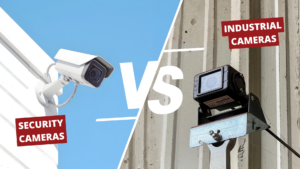
Off-the-shelf security cameras might work in an office, but they won’t last long in a sawdust-filled sawmill or a humid food processing line. Ask about:
- Vibration resistance
- Ruggedized housing (titanium alloy, stainless steel, IP67/68 ratings)
- Resistance to dust, water, and chemicals
- Wide operating temperature ranges
Your environment will dictate how durable your cameras need to be, where you need rugged cameras, and where commercial cameras will suffice.
2. How Do the Cameras Handle Environmental Factors?
Industrial sites rarely have perfect lighting. Add in sawdust, heat from a kiln, and vibration from heavy equipment, and visibility can drop fast. Look for:
- Thermal or infrared capabilities for low light
- Stabilized mounts for high-vibration areas
- Dust-proof casings that keep electrical components safe
3. Are the Cameras NDAA and TAA Compliant?
More and more facilities—especially those tied to government contracts or utilities—require TAA and/or NDAA-compliant video equipment. These regulations are in place to help prevent backdoor hacking from other countries, namely China, which can infiltrate systems and hold companies hostage through its technology. Confirm compliance to avoid costly retrofits or regulatory setbacks down the line.
4. How Will the Cameras Integrate with Our Existing System?
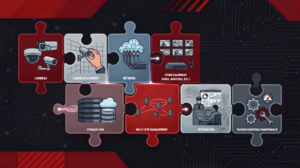
A camera system that requires you to rip and replace your entire network is a red flag. Instead, ask a potential partner if their cameras can integrate with:
- Existing video management system
- Current networking infrastructure
- Other monitoring solutions (like security or fire)
Integration means less downtime, lower costs, and smoother adoption.
5. What Are the Cabling and Connectivity Requirements?
In an industrial environment, running cable isn’t always straightforward. Get clarity on:
- Power options (PoE vs. separate power supply)
- Cable types (M12, Ethernet, coax)
- Wireless alternatives if cabling isn’t feasible
Work with a video monitoring partner that understands your networking needs and help you communicate requirements to your IT team.
6. What Kind of Support and Warranty Do You Provide?
Cameras are only as good as the support behind them. Ask your supplier about:
- Warranty terms
- Technical support availability
- Replacement lead times
- Training your staff on basic maintenance
Downtime at industrial facilities is costly—make sure your camera supplier has your back.
7. Can the Cameras Help with Both Safety and Operational Efficiency?
Video monitoring isn’t just about security. It can also:
- Detect equipment overheating before failure
- Ensure safety procedures are followed
- Provide visibility for remote teams
Asking about use cases beyond just security helps you maximize ROI.
8. What’s the Total Cost of Ownership?
The up-front sticker price of a camera is only part of the equation. Don’t forget to ask about cost-benefit factors like:
- Installation costs
- Network upgrades
- Software licensing fees
- Ongoing maintenance
Understanding the full picture prevents budget surprises.
Wrapping It Up
The right industrial camera system can be a powerful tool for safety, compliance, and efficiency. But only if it’s designed for the realities of your facility. By asking these 8 questions up front, you’ll separate true industrial solutions from “good enough” commercial cameras to make sure your investment pays off.
At Opticom Tech, we’ve spent decades helping facilities like sawmills, food processors, and mines build video monitoring systems that work in the toughest environments. If you’re evaluating your options, reach out to us—we’ll walk through these questions with you.