Skip to content
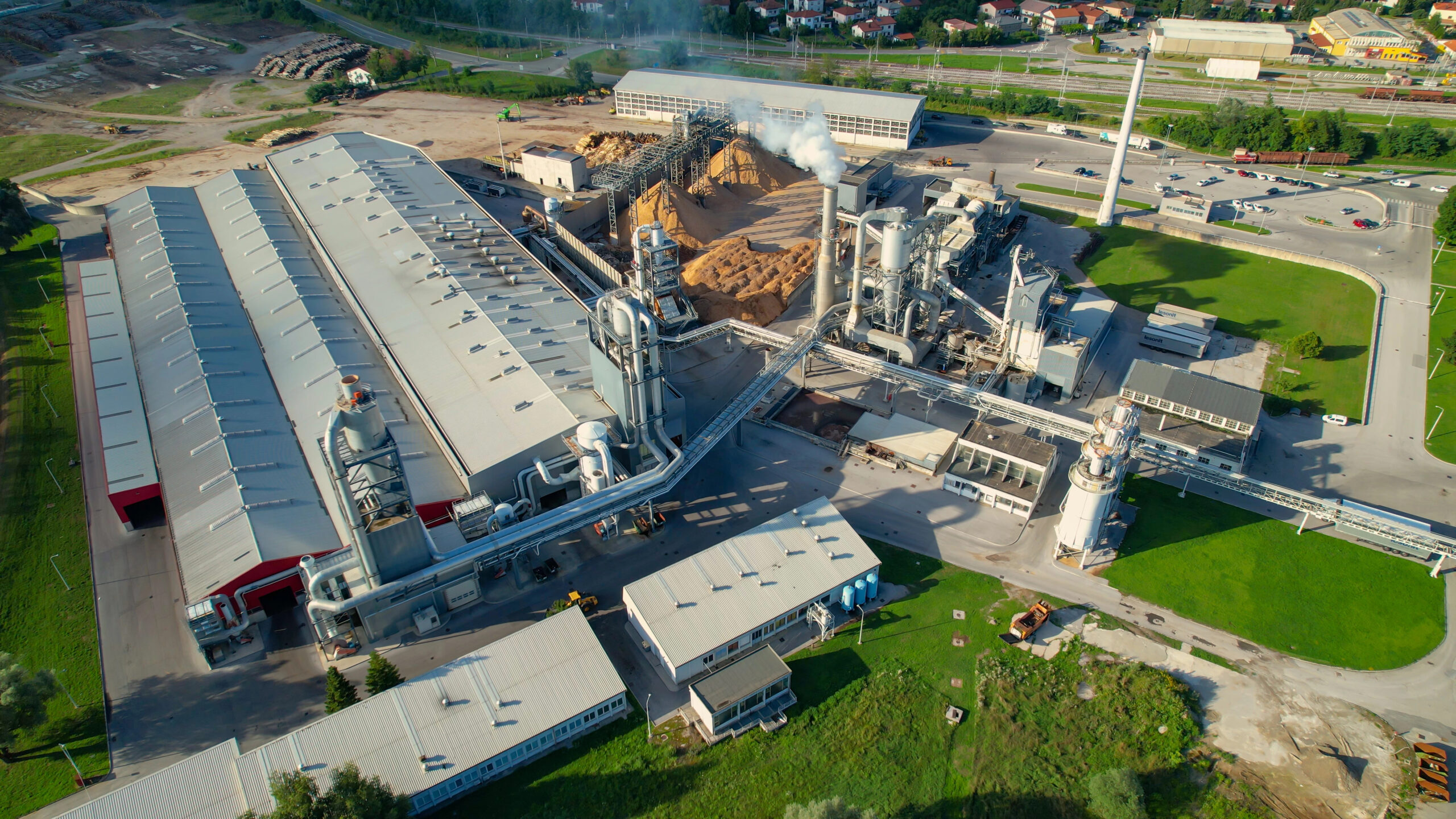
If your sawmill has multiple locations—or even one large operation with multiple buildings—you probably know how quickly video monitoring can become fragmented.
One site has older analog cameras. Another upgraded to IP a few years ago. A third added a few cameras from a local installer when production expanded. Before long, you’re juggling different systems, logins, networks, and support contacts.
This lack of cohesion means lost visibility, higher maintenance costs, and slower troubleshooting when something goes wrong.
Standardizing video monitoring across sites helps solve these problems. This process doesn’t require centralizing everything at corporate or ripping out equipment that still works. The goal is consistency, reliability, and support across your operations, whether you run two small mills or a large multi-site company.
Let’s look at what standardization really means, how to do it the right way, and what it can deliver for your operation.
The Problem: Patchwork Systems Across Multiple Locations
Most multi-site sawmill operations don’t start with a standardized video monitoring plan. Systems grow and evolve over time, piece by piece as needs arise, sometimes with different vendors with different priorities.
That’s exactly what happened at Shuqualak Lumber.
Before upgrading their system, the company operated three sites with a mix of cameras, recorders, and software platforms. Some equipment was reliable. Some wasn’t. And none of it worked together.
As camera counts grew, so did the complexity (and the frustration):
- Multiple DVRs and NVRs scattered across locations
- Different apps and logins for each system
- Limited visibility between facilities
- Frequent equipment failures in harsh environments
- Ongoing service costs from outside contractors
This fragmented setup made it difficult to monitor operations as a whole and respond quickly to incidents.
This scenario is common in growing sawmill operations. The good news is that standardization doesn’t require starting over. You can build a system that connects what you have and supports where you’re going.
What Standardization Means
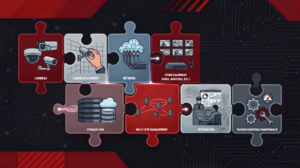
Standardizing video monitoring isn’t about forcing every location into the same exact configuration. The focus is on creating a consistent framework that works across all sites.
That framework typically includes:
- A dedicated camera network separate from process and business networks
- Common hardware and software standards
- Centralized access to video feeds and recordings
- Scalable infrastructure for future expansion
- Reliable support and service across locations
Reducing Downtime and Lowering Support Costs
One of the biggest advantages of standardizing video monitoring is improved reliability.
When systems use consistent hardware, software, and network design, troubleshooting becomes faster and maintenance becomes simpler. That translates directly into lower costs.
Video monitoring also helps facilities identify equipment issues early, allowing maintenance teams to address problems before they cause production shutdowns.
In high-volume operations, even a small reduction in downtime can deliver significant savings.
Separate Networks: The Foundation of a Standardized System
One of the first steps in standardizing video monitoring is establishing clear separation between networks for security, performance, and reliability. In industrial environments, the camera network should never interfere with production systems or business operations.
Most facilities operate three distinct networks:
- Process Network – Runs production equipment and control systems
- Business Network – Handles office operations, ERP systems, and communications
- Camera Network – Supports video monitoring and recording
Keeping these networks separate prevents performance issues, protects production systems, and improves cybersecurity.
From there, the camera network can be securely connected (aka “ported”) into the business network when needed. This allows authorized users to access video from anywhere while maintaining system stability.
It’s a simple concept, but it’s one of the most important steps in any sawmill video monitoring deployment.
Centralized Access Without Losing Local Control
One concern we often hear from sawmill managers is: “We don’t want corporate controlling our system.”
That’s completely reasonable—and standardization doesn’t require a handoff to corporate. A properly designed system allows each site to maintain control of its own operations while still enabling broader visibility when needed.
For example:
- Operators monitor equipment on-site in cabs
- Maintenance teams review recorded footage from any location
- Managers access video remotely
- Corporate leadership views high-level activity across locations
All of this can happen from a single platform. Facilities can share data when it’s useful—and keep it local when it’s not. Standardization creates flexibility, not restrictions.
When Software Becomes Essential
As camera counts grow, managing video across multiple sites becomes more complex. At that point, video management software becomes the backbone of the system.
Smaller operations may rely on local recorders and monitors. But larger systems (more than 64 cameras) benefit from centralized video management software that connects multiple locations into one interface.
This approach provides:
- Unified system access across sites
- Simplified user management
- Consistent configuration and updates
- Scalable storage and recording
- Faster troubleshooting
For operations with dozens—or hundreds—of cameras, software is what turns a collection of devices into a cohesive system where everything is accessible from one place.
A Real-World Example: Integrating Multiple Sawmill Locations
As mentioned above, Shuqualak Lumber’s system upgrade is a clear example of what standardization can achieve.
Working with Opticom Tech, the company transitioned to a unified IP camera system that connected multiple facilities, improved reliability, and reduced maintenance costs.
Key project outcomes included:
- Reusing existing equipment where possible
- Transitioning from analog to IP cameras (this isn’t required if you prefer to stay analog)
- Building a dedicated video network
- Implementing centralized viewing software
- Enabling secure remote access
The result is a system that provides visibility across all locations. Managers can now review incidents, monitor production, and share footage from any facility—none of which was possible before.
Just as important, the company reduced downtime and service costs by improving system reliability and working with Opticom Tech to learn basic troubleshooting and maintenance.
That’s the real value of standardization.
Scale for Any Size Operation
You don’t need to be a large corporation to benefit from a standardized video monitoring system.
We see two common scenarios:
1. Small Companies With Multiple Locations
These operations often run two or three mills, sometimes on the same property, other times in different towns.
Standardization helps them:
- Monitor operations remotely
- Share resources between sites
- Reduce service costs
- Maintain consistent performance
2. Large Companies With Major Facilities
These organizations operate large sawmills with hundreds of cameras each and have locations spread around the state and country.
Standardization helps them:
- Manage complex systems efficiently
- Maintain consistent security and safety standards
- Simplify training and support
- Scale operations without rebuilding infrastructure
In both cases, the goal is the same: one reliable system that works everywhere.
Why the Right Partner Matters
Technology is only part of the equation.
Setting up a video monitoring system that works across multiple sites requires planning, coordination, and ongoing support. Experience in sawmill video monitoring doesn’t hurt either. Choosing the right partner matters when it comes to getting your system right the first time.
A strong partner will:
- Evaluate your current infrastructure
- Provide guidance on creating a scalable network architecture
- Coordinate with your IT team
- Integrate existing equipment where possible
- Provide training and long-term support
At Opticom Tech, we focus on delivering complete video monitoring solutions, not just selling hardware. We help sawmills design, build, and maintain systems that fit their needs—from network planning to system integration to ongoing service.
Because in sawmills, reliability isn’t optional.
If you’re looking for a new video monitoring partner, we’d love to talk. Request a site visit or book a virtual call with us.
The Bottom Line
Standardizing video monitoring across multiple sawmill sites doesn’t have to rely on corporate centralization or control. With the right system design, you can:
- Connect multiple locations into one platform
- Maintain separate and secure networks
- Access video footage from anywhere
- Reduce downtime and maintenance costs
- Scale your system as operations grow
And you can do it without disrupting production or replacing equipment unnecessarily.
Most importantly, you gain confidence that your monitoring system will work across all your sites. To talk about multi-site video monitoring systems, contact us.