Skip to content
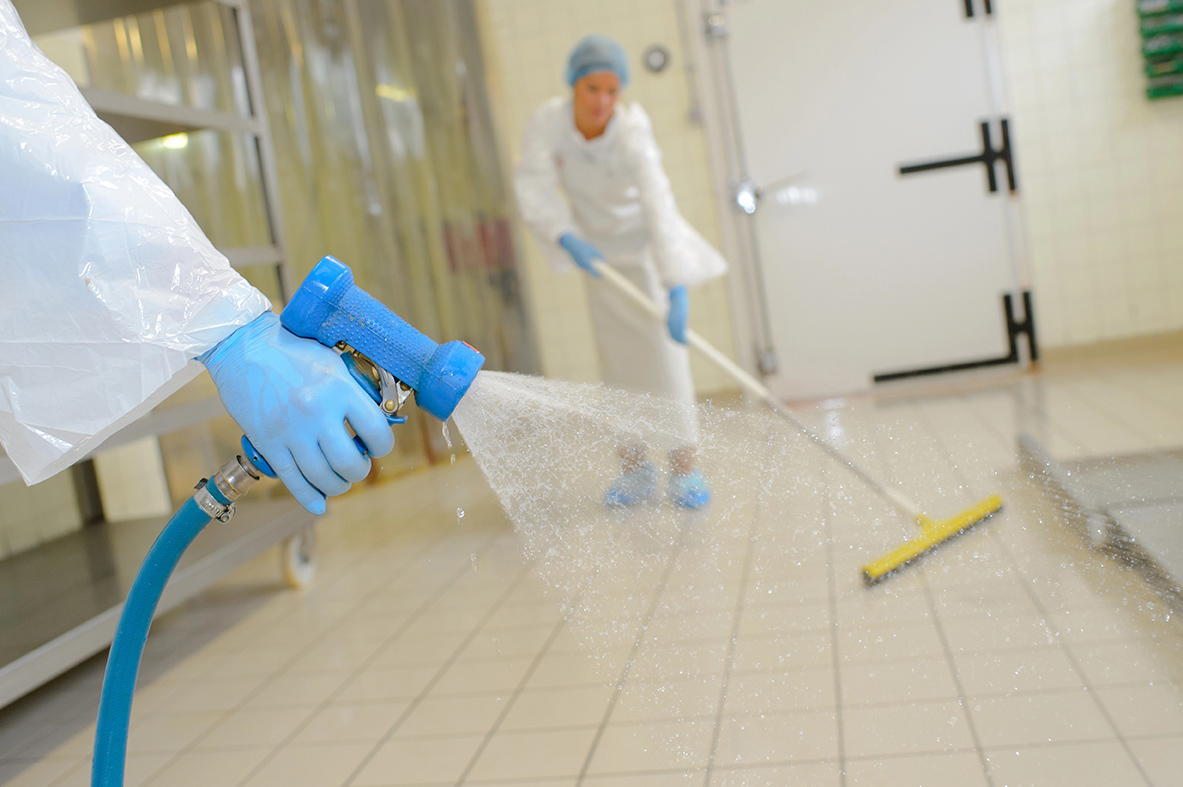
Industrial environments pose a lot of challenges to electronic equipment. Some of the most challenging of those environments are washdown areas.
Walk into a food processing plant after sanitation and you will immediately understand. High-pressure water jets, caustic chemicals, steam, rapid temperature swings, equipment soaked repeatedly throughout the day, and more.
Washdown environments are designed to destroy bacteria but unfortunately, they also destroy equipment that wasn’t engineered for those conditions. Take standard IP cameras, for example, which often fail in these environments far sooner than expected. As a facility manager or maintenance expert, you are usually the first to see the symptoms: cloudy images, corrosion, failed seals, and cameras that need replacement far earlier than planned.
If you’re experiencing this issue, it’s important to understand that the problem—and therefore the solution—is hardware. Cameras that weren’t built for industrial environments will never last in harsh washdown environments. Any equipment installed in these facilities must account for sanitation procedures, chemical exposure, and environmental conditions before installation decisions are made.
Cameras are no exception.
Why Standard IP Cameras Break Down
Many industrial facilities install standard commercial IP cameras because they appear to meet environmental specifications on paper. The camera might carry an IP66 or IP67 rating, suggesting strong protection against water and dust.
The problem lies in how those ratings are interpreted. Yes, IP67 protects against temporary immersion and IP66 protects against water jets.
But neither rating covers resistance to hot water, chemicals, or repeated sanitation cycles. Those require much higher washdown-specific standards.
1. Seal Failure and Moisture Intrusion
Standard camera housings rely on rubber seals and plastic enclosures. High-pressure water eventually compromises these seals.
Once moisture enters the housing, several things happen:
- Condensation forms on the lens
- Internal electronics corrode
- Image quality deteriorates
Facility managers often notice the problem when camera footage becomes hazy or foggy. If you started seeing hazy footage, it’s time to think about replacing your cameras.
2. Chemical Corrosion
Sanitation chemicals used in food and pharmaceutical facilities are intentionally aggressive because they must remove fats, proteins, and microbial contamination.
Unfortunately, they also impact metals and coatings.
Common camera housings made from aluminum or coated steel degrade quickly when exposed to caustic cleaners and acids used in sanitation routines. Cameras operating in these environments must tolerate exposure to oxidizing agents, acids, and other sanitizing chemicals used during washdown procedures
The damage usually appears as:
- Pitting corrosion
- Peeled off coatings
- Structural weakening of the housings
Eventually, seals fail and water enters the enclosure.
3. Lens Clouding and Visibility Loss
Even when the camera continues operating, visibility often deteriorates. This occurs because:
- Chemicals etch protective lens coatings
- Mineral deposits accumulate after repeated washdowns
- Condensation forms inside the housing
For quality assurance teams relying on cameras to monitor production lines, a cloudy camera becomes almost useless. If visibility disappears during a contamination event or production error, the system fails at its most important moment.
The Material Problem: Not All Stainless Steel Is Equal
Many industrial environments use stainless steel equipment because of its corrosion resistance and hygienic properties, which is a great first step, but not quite enough. The exact alloy matters.
Food processing equipment frequently uses AISI 316L stainless steel, a grade designed specifically for corrosive and high-hygiene environments. This alloy includes molybdenum, which significantly improves resistance to chlorides, acids, and cleaning chemicals.
The “L” designation indicates a lower carbon content, which improves corrosion resistance and prevents structural degradation during welding.
In practice, this means equipment made of AISI 316L:
- Resists pitting corrosion from cleaning chemicals
- Withstands repeated washdowns
- Maintains structural integrity over time
This is why AISI 316L stainless steel is widely used in food processing machinery, pharmaceutical equipment, and marine environments exposed to saltwater.
When cameras used in washdown environments lack this level of corrosion resistance, failure becomes a matter of time.
Why Stainless Steel Industrial Cameras Survive
Industrial video monitoring systems designed for washdown environments use a different approach. Instead of adapting commercial cameras, they are built around hygienic design principles from the start.
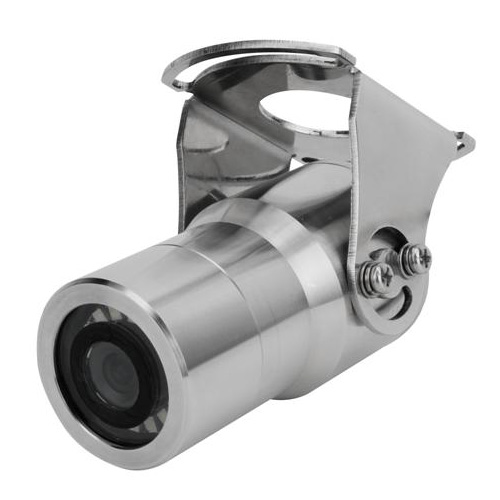
Opticom Tech’s stainless steel industrial cameras are engineered specifically for these conditions. Key design characteristics include:
- AISI 316L stainless steel housings for corrosion resistance
- Smooth, hygienic surfaces that prevent contamination buildup
- Sealed enclosures designed for high-pressure sanitation
- Components selected for high humidity and temperature variation
This combination allows the cameras to withstand the same cleaning procedures applied to surrounding equipment. In practice, this means you don’t have to protect them when you clean the washdown environment, nor do you have to replace them often.
Opticom Tech customers use our corrosion-resistant cameras in washdown environments for years, with minimal maintenance costs.
The Hidden Cost of the Wrong Camera
Camera failures rarely appear on a financial report as a single large cost. Instead, they accumulate through smaller operational disruptions:
- Maintenance labor
- Replacement hardware
- Installation downtime
- Lost monitoring capability
A failed camera on a production line also creates visibility gaps. When an issue occurs—whether it’s a quality defect or a sanitation problem—there may be no usable footage available.
Food processing facilities that rely on video monitoring for compliance or traceability cannot afford those blind spots. The right cameras provide oversight for production, safety, and compliance when properly installed in hygienic environments.
Washdown Areas Are Only Part of the Story
Not every part of a facility faces the same environmental conditions. For instance, processing floors may experience daily washdowns, while packaging areas might remain dry. And neither of them have the extreme temperatures encountered around ovens and in cold storage.
Effective industrial video monitoring strategies account for these differences. Otherwise, you end up:
- Paying for high-end industrial cameras where simple commercial ones get the job done
- Using the same cameras in all areas of a facility when they have different environmental needs
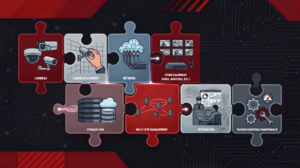
This is why we recommend hybrid monitoring systems, which combine multiple camera types tailored to specific areas of a facility. For example, stainless steel cameras can protect washdown zones while industrial cameras monitor high-vibration machinery and commercial cameras operate in the office/warehouse.
Designing Monitoring Systems for Harsh Environments
Video systems in hygienic industries must follow the same design principles used for other equipment. You wouldn’t use a home kitchen mixer in a food production facility, right?
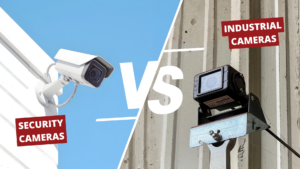
Following the same logic, you shouldn’t use home or commercial security cameras in harsh environments either. Instead, you need to:
- Select cameras with housings that are resistant to sanitation chemicals
- Minimize surfaces that trap contaminants
- Ensure equipment survives repeated washdowns
Sensors, cameras, and data collection systems must integrate with hygienic design principles rather than undermine them. When cameras follow the same material standards as production equipment, they become a long-term operational asset instead of a maintenance problem.
Not Sure You Have the Right Cameras for Your Washdown Environment?
You don’t have to navigate this process alone. We know it’s hard to choose among thousands of stainless steel cameras on the market, not to mention integrate them with your existing video system.
At Opticom Tech, our focus is on uncovering each facility’s specific needs so we can build video monitoring solutions that account for their use cases, budget, and environment constraints. If you’re ready for a true video monitoring partner, let’s talk.