Skip to content
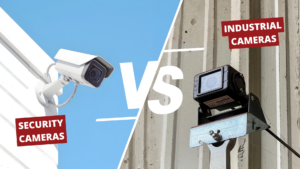
When you look to buy an off-the-shelf video monitoring system, you’ll see most vendors lump cameras and accessories into industrial and non-industrial (commercial and residential). And, while industrial facilities share some common challenges, you can’t lump them all together.
Walk into three different industrial facilities and you’ll see three completely different realities.
- A food processing plant dealing with washdowns and contamination risk
- A sawmill needing real-time operator feeds while fighting dust, vibration, and extreme temperatures
- A mining company managing remote operations across miles of infrastructure
A mismatch in needs and video solutions costs money and creates blind spots. Industrial video monitoring only works when it’s designed around the environment, risks, and operational goals of a facility. Anything else turns it into a passive recording tool that collects footage no one uses.
Let’s break down what needs to be considered in an industrial setting.
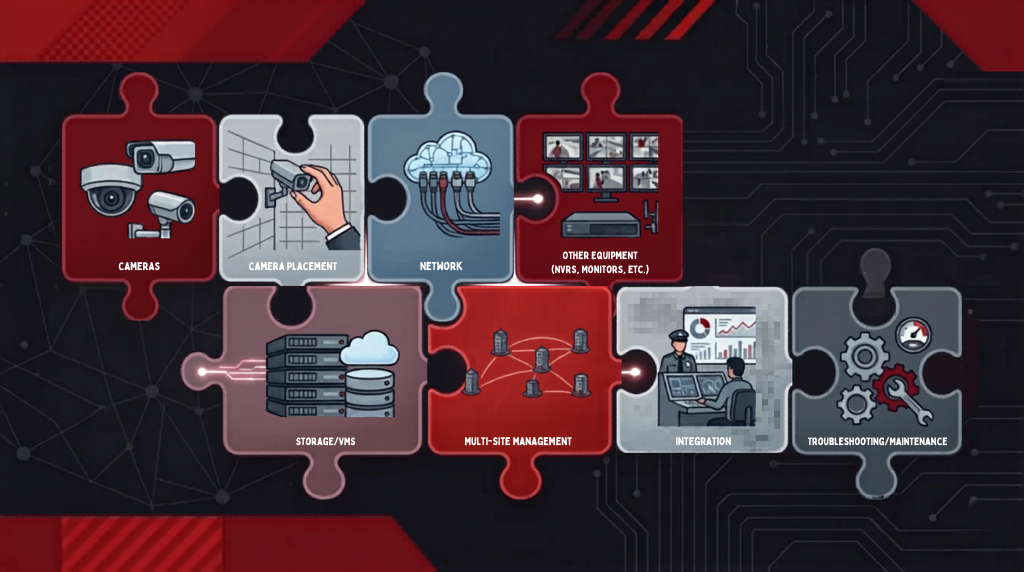
1. Cameras Are Not Interchangeable
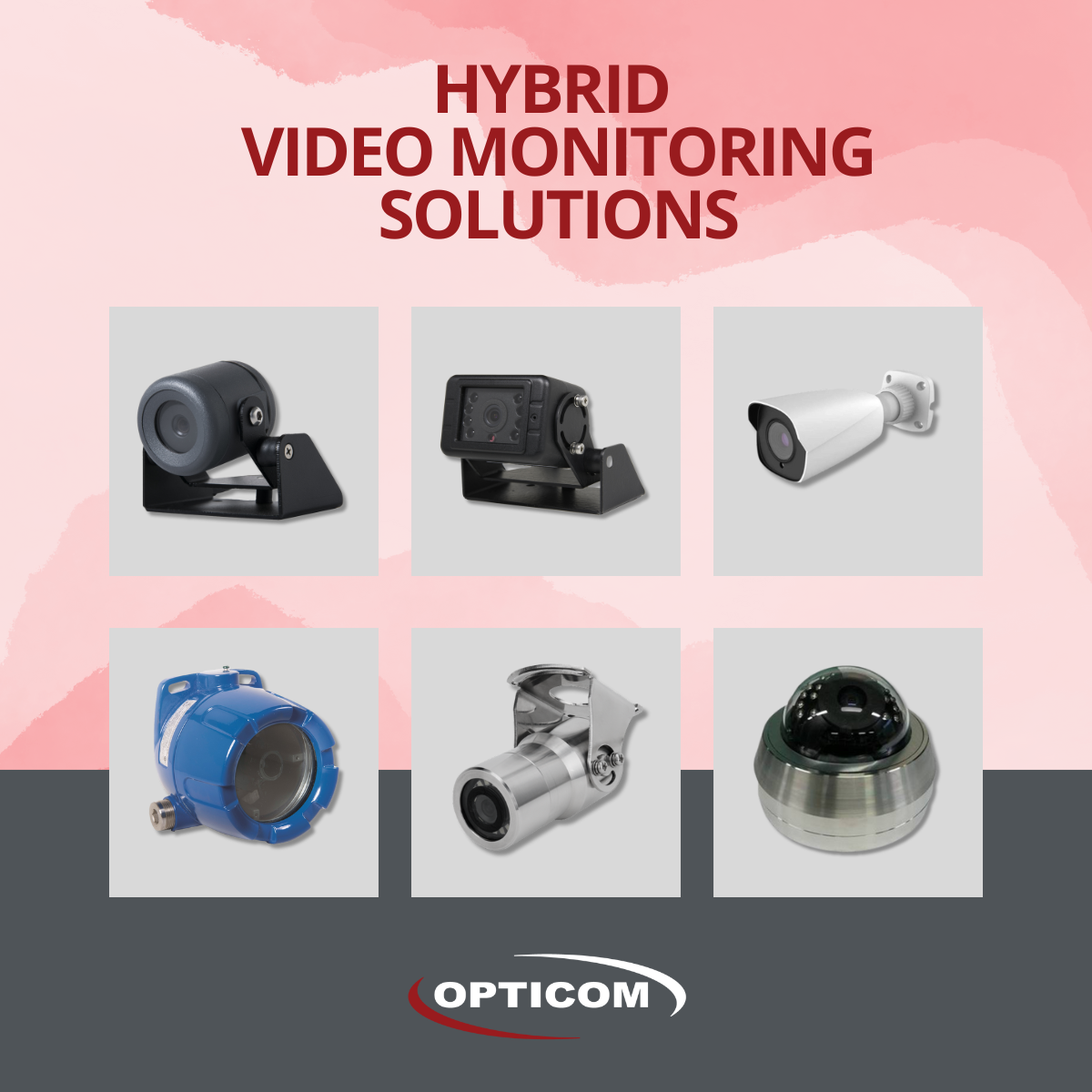
Industrial environments push hardware to its limits. Heat, moisture, chemicals, dust, and vibration degrade standard commercial cameras fast. The right system starts with matching the camera type to the environment:
- Stainless steel cameras for hygienic or corrosive environments
- Thermal cameras for detecting overheating equipment and fire hazards
- Self-cleaning cameras for dusty or debris-heavy operations
- Explosion-proof cameras for hazardous zones
Not all areas of a facility, however, need these specialized cameras (or the higher cost that comes with them). This is where an industrial hybrid camera system becomes relevant. Combining multiple camera technologies allows facilities to monitor both process and risk in the same system.
2. The Supporting Equipment Matters More Than You Think
Cameras get the attention because they are the most visible. However, supporting infrastructure can determine whether the system actually works. That includes:
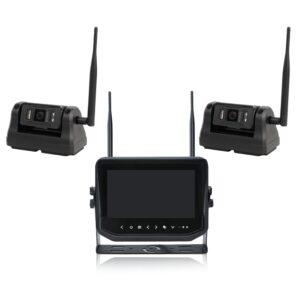
- Monitors designed for industrial visibility conditions
- Mounts that absorb vibration and maintain positioning
- NVRs or software that can handle continuous, high-resolution recording
Cheap mounts don’t help protect cameras; poorly selected monitors become unreadable; and the wrong storage and interface solutions lead to headaches down the road. Each of these issues reduces the usefulness of the system.
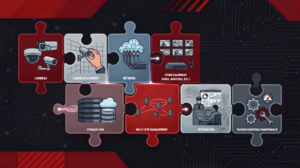
A well-designed setup treats these components as part of a single system, not as separate accessories.
3. Your Network Can Make or Break the System
Video is bandwidth-heavy, and industrial video is even heavier.
Running cameras on the same network as business systems or operational controls creates unnecessary risk because congestion, latency, and potential security exposure all increase. This is why, in most industrial environments, you will need:
- Dedicated camera network
- Proper bandwidth planning
- Clear segmentation from operational technology (OT) systems
Network segmentation is a core principle for industrial cybersecurity—if one of your systems is attacked, you don’t risk giving the attackers access to your entire network.
This approach also improves performance. If you run bandwidth-heavy operations in one department of your facility, having a clear segmentation means that other systems can run without lag and interruptions caused by other areas.
An experienced video monitoring partner can help you define requirements upfront so your IT team isn’t guessing. From bandwidth calculations to PoE requirements and infrastructure layout, a video monitoring partner can tell you exactly what setup your facility needs.
4. Camera Placement Is a Cost Strategy
One of the biggest myths in video monitoring is that installing more cameras leads to better coverage. That’s almost always false: more cameras usually mean higher cost, more overlap, and more complexity.
Effective systems aim for maximum coverage with minimum hardware. That requires planning:
- Identifying critical monitoring zones
- Eliminating blind spots
- Optimizing angles and overlap
- Planning cabling and PoE access points
At Opticom Tech, we never recommend you install more cameras than you need. We’re not just some hardware seller; we’re here to help you build a video monitoring system that meets your needs.
5. Storage and Video Management Define Usability
Any system can be configured to record video. But is that video usable? Can you access it when you need it and is it the right quality?
This is where storage and video management software (VMS) decisions come into play and shape how the system performs daily:
- How long footage is retained
- How easily teams can search for and retrieve clips
- Who has access and from where
- How video is shared across teams and outside the organization
These decisions should reflect the actual workflows of your facility. A facility running compliance audits has different needs than one focused on real-time operational monitoring and your system should be built around those needs
6. Multi-Site Operations Change Video Monitoring Needs
When you run multiple sites, problems can add up quickly, especially if you don’t have a bird’s-eye-view over all of your operations.
Multi-site operations have to deal with:
- Standardization across locations
- Centralized monitoring
- Consistent data access
- Scalable infrastructure
Many systems lose effectiveness because they’re built for a single facility and then stretched across multiple sites without a step back to plan the expansion strategically. A better approach is to design for scale from the start, even if you plan to add sites as you go.
We wrote about how sawmills standardize video monitoring across sites to show what this looks like in practice.
7. Maintenance Shouldn’t Depend on the Vendor
Most buyers underestimate their maintenance needs and rely on the “call the vendor and wait” approach. However, this is how you build a fragile system.
Industrial facilities need internal knowledge of basic troubleshooting, clear documentation, and the ability to adjust the system as needed.
Video monitoring vendor lock-in creates delays and recurring costs. It also limits flexibility when the system needs to evolve. Work with a partner focused on what’s best for you to make sure you maintain control of your system.
8. Integration Is Where the Real Value Shows up
Video monitoring becomes far more valuable when it enhances your operations rather than just passively watching over a facility for security.
That can include:
- Linking thermal cameras to maintenance workflows
- Using footage for training and incident review
- Making sure safety procedures are being followed consistently
- Identifying bottlenecks and opportunities for efficiency gains
This is why a well-designed hybrid video monitoring solution is key. When built right, a system shifts from passive observation to active operational support.
Video Monitoring Is an Engineering Problem
We think of industrial video monitoring as more than buying cameras. If you want long-term ROI from video monitoring, you need a system that fits the environment, the risks, and the way the facility operates.
Not sure how to choose the video monitoring system that fits your facility’s needs and is cost-effective? Book a call with us to talk about how to build a system that adds value and isn’t just a cost center.