Skip to content
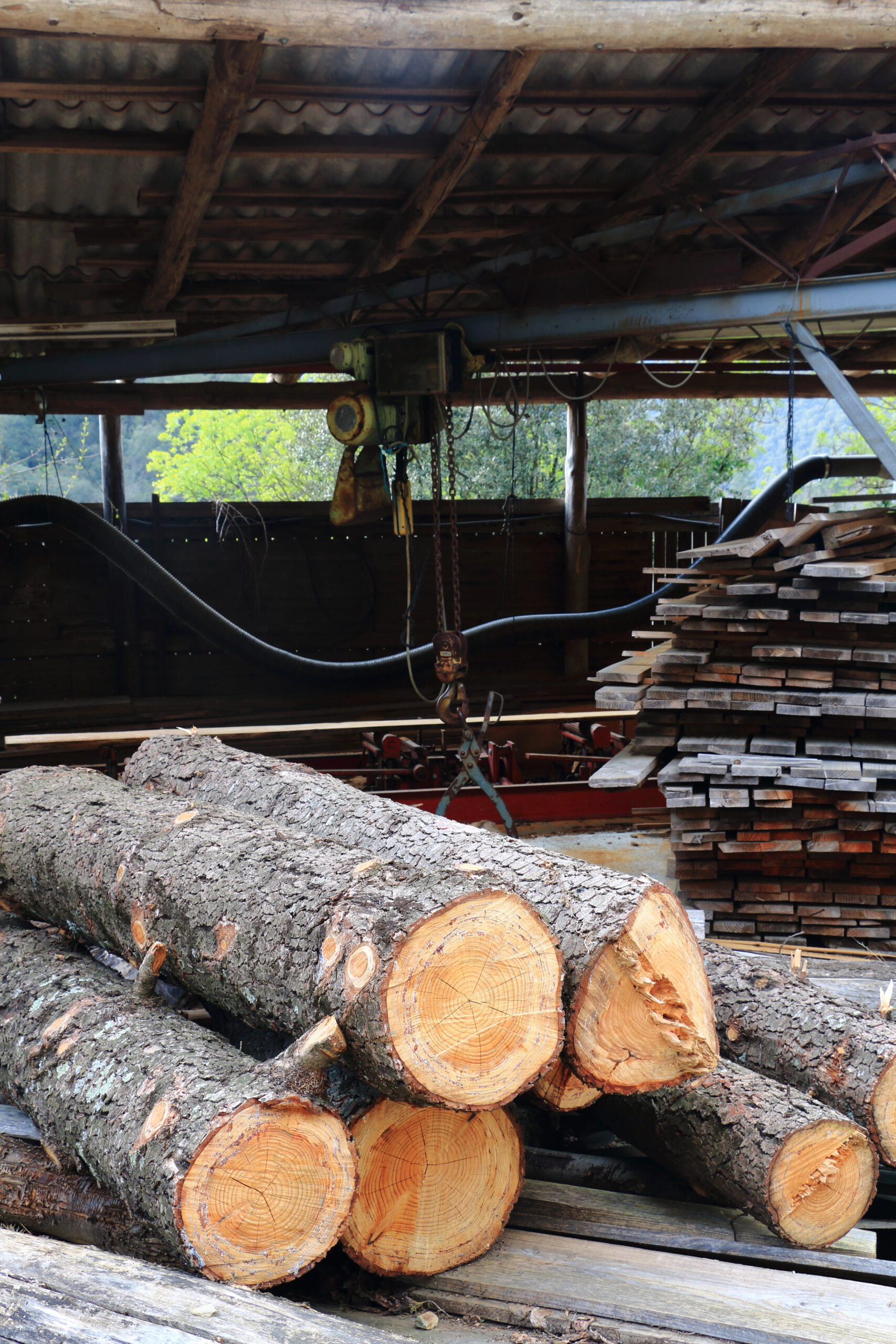
When you’re ready to upgrade or install a new sawmill camera system, your first instinct might be to call a trusted local installer. After all, they’ve done great work for gas stations, grocery stores, and warehouses in your area. But what works for a warehouse or retail store won’t work for a sawmill. Between constant high vibration, airborne dust, and demand for real-time visibility at operator cabs, sawmills present a unique set of challenges that most local installers simply aren’t experienced with.
If you’re about to bring in a local installer, take a few minutes to ask these six questions. Their answers can mean the difference between a reliable system that helps your operators work safely and one that causes costly downtime.
1. How Will You Ensure Real-Time Video at the Operator Cab?
In many commercial installations, a bit of latency between the camera and the monitor isn’t a big deal. But in a sawmill, that delay can be dangerous. Operators rely on video feeds to make real-time decisions about log alignment, saw positioning, and equipment operation. Even a tiny bit of latency can make a task unsafe or inefficient.
Most installers set up IP cameras the same way they would at any commercial site—which means they introduce unnecessary delay. That’s one reason IP cameras sometimes get a bad rap in sawmills. The problem isn’t the technology, it’s the setup. When properly configured, an IP system can provide near-zero latency.
Your installer may think they can achieve truly real-time video with their IP setup, but many can’t. If they can’t explain how they’ll eliminate latency, it’s a sign they’re applying a one-size-fits-all approach rather than a mill-grade solution. Our setup includes specific components and sending the right feeds to the right places (cabs, back office, off-site, etc.) for the unique needs of sawmills.
If you’re not completely confident in your local installer’s ability to reduce latency, reach out to us and we’ll review the setup.
2. Are the Cameras Built for Sawmills?
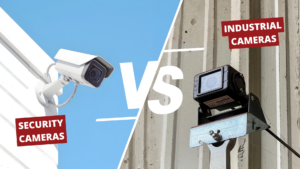
Many local installers use good equipment—reliable brands, durable housings, and professional-grade connectors. The problem is that “good” doesn’t always mean “good enough for a mill.” An “outdoor” rated camera might be tougher than one meant for inside an office, but it’s still not up to snuff for a sawmill.
Sawmills are harsh environments. Cameras face continuous vibration, sawdust and debris, direct hits from boards, extreme heat, and more. Commercial-grade cameras simply aren’t designed to withstand that. We’ve seen mills invest in brand new cameras—ones with good reputations and high price tags—that then failed within months because they weren’t built for the environment.
Before installation begins, ask your installer:
- Have these cameras been proven in sawmills or similar high-vibration environments?
- What’s the protection rating (look for IP67 and IP68)?
- Are the housings designed to resist dust and impact?
- What’s the expected lifespan under continuous vibration?
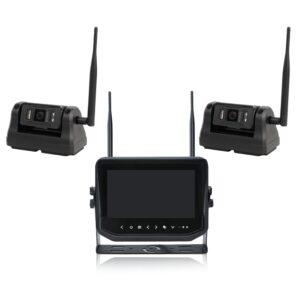
If they can’t confidently answer, consider consulting with a supplier that specializes in ruggedized, vibration-resistant camera systems. A true industrial camera can last years longer and keeps your system running without interruption.
3. How Do You Handle High Vibration and Shock?
Vibration is one of the biggest enemies of camera equipment. It loosens internal components, blurs footage, and eventually causes electronic failure. If your installer doesn’t plan for vibration, you’ll likely be replacing cameras—and experience the downtime that comes with doing so—far sooner than expected.
And planning for vibration doesn’t mean moving cameras farther away from equipment. Doing that might help with vibration, but it’s not an optimal setup for monitoring a sawmill line. An operator can’t look down a debarker and other processing equipment unless the camera is mounted right in the chaos.
The right solution starts with vibration-resistant cameras paired with shock-absorbing mounts. These mounts absorb impact and vibration before it reaches sensitive electronics. In fact, Opticom Tech cameras have been hit and only the mount needed to be replaced.
Our industrial cameras and mounts have survived direct hits from logs and years of continuous vibration on debarkers. Ask your installer if they can supply mounts or housings rated for high-vibration zones—and if not, bring in a partner that can.
4. What’s the Plan for Network Setup and Latency Management?
The success of your sawmill camera system depends on the cameras and where they’re placed, but it’s also highly dependent on the network behind those cameras. Many local installers connect IP cameras directly to your facility’s business network, which can create interference, lag, and security risks.
A proper setup separates the video network from your process and business networks, ensuring high-speed data transfer and real-time feeds without affecting other systems. The installer should also understand how to:
- Configure PoE or dedicated power supplies for each camera
- Calculate bandwidth requirements for your existing and future cameras
- Manage network switches and cabling for optimal speed and reliability
- Integrate the right video software that works best for a sawmill
If your installer seems unsure about the networking side—or suggests that lag is “just part of IP systems”—that’s a red flag. With the right design and components, IP systems can deliver the real-time visibility your operators need.
5. What Happens If There’s a Problem After Installation?
Downtime at a sawmill is expensive. If a camera fails, you can’t wait weeks for a replacement or remote tech support from someone unfamiliar with your environment. Ask your installer what kind of support they provide once the system is up and running—and how they charge for that support.
Do they:
- Offer on-site troubleshooting?
- Stock replacement parts locally?
- Provide clear documentation and training for your maintenance staff?
- Allow you and your staff to troubleshoot issues yourselves?
- Charge extra for support after purchase of their products?
- Understand how to safely work in an active mill environment?
Support is just as important as the installation itself. Choose a partner that offers ongoing service and understands what’s at stake when your monitoring system goes down.
6. Who Can Help Optimize the System for a Sawmill?
Even the most skilled local installer might not have experience designing for sawmills—and that’s okay. A great way to protect your investment is to have your installer collaborate with an industrial video partner that knows sawmill systems inside and out.
Opticom Tech has worked with sawmills around the world for more than 50 years, designing rugged camera systems that deliver real-time video under extreme vibration, dust, and impact. We can partner with local installers, providing layout recommendations, network design, and technical guidance to ensure your installation is built to last.
When complexity arises—such as combining IP and coax feeds or eliminating video delay in operator cabs—our team can step in with proven solutions that save time and money.
The Bottom Line
Your local installer might be excellent at what they do—but a sawmill isn’t just another commercial site. Without the right equipment and configuration, you risk latency, frequent failures, and high replacement costs.
Before your installation begins, ask the tough questions. Confirm that your installer understands the challenges of a sawmill environment—or better yet, partner with experts who do.
At Opticom Tech, we specialize in designing rugged, real-time video monitoring systems for sawmills (both softwood and hardwood), mines, and other heavy-duty industrial facilities. Whether you’re planning a new installation or upgrading an existing one, we can work with your installer to make sure you get it right the first time.
Contact us to discuss your sawmill camera needs. We’ll help ensure your system delivers the reliability, performance, and safety your operators depend on.