Skip to content
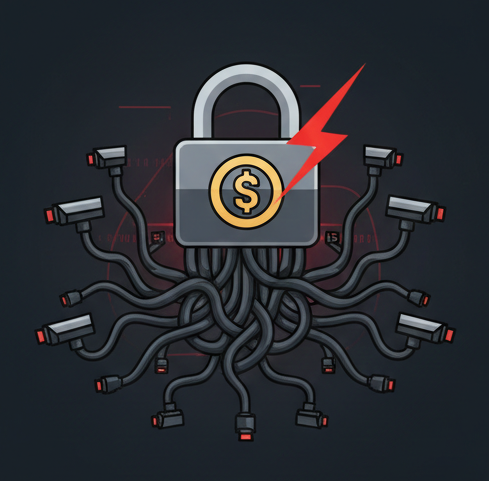
(And How to Escape If You’re Already Locked In)
Video monitoring should make a sawmill safer, more efficient, and easier to operate. When done right, it gives operators better visibility, helps maintenance teams troubleshoot faster, and reduces downtime. But for many mills, the video system itself becomes a problem.
Instead of empowerment, they inherit dependency.
Locked-in video software is one of the most common issues we see in sawmills today, with facility and electrical managers feeling helpless. It quietly drives up costs, slows down response times, and leaves mills at the mercy of installers or resellers who control access to the system.
How Lock-In Starts at Installation
Most sawmills don’t realize they’re being locked in until months or years after it happens. The system gets installed, the cameras work, and everyone moves on.
What’s often missing is control. In many installs, the reseller keeps full administrative access to the video software. The mill receives a user login that allows viewing—but not managing—the system. At first, that may seem fine. But over time, small limitations start to show up.
When a camera needs to be added to cover a new machine, or an old camera needs to be replaced, the mill can’t make the change internally. When recording settings need to be adjusted or a user account added, the answer is the same: call the installer. That call usually comes with hourly labor charges.
The problem is compounded when the system itself is proprietary. Closed video platforms are often password-protected, licensed, and designed to work only with specific hardware. Even if your maintenance or IT team is capable, the software won’t allow them to make changes.
Over time, this creates a system where the mill owns the hardware—but not the system.
Common Signs You’re Locked In
Some signs of lock-in are subtle. Others are painfully obvious. A few of the most common red flags we hear from sawmills include:
- You can’t add or replace cameras without calling a reseller
- You don’t have full admin access to the software
- You’re billed hourly for simple changes or troubleshooting
- Your team wasn’t trained on system management (and requests to do so are denied)
- Only one company can service or support the system
Any one of these should raise questions. Together, they almost always point to a locked-in system.
When Lock-In Turns Into a Real Risk
The real danger shows up when something goes wrong.
We’ve worked with sawmills that couldn’t get support calls returned. Others were stuck when an installer went out of business or stopped supporting the software version they were using. In some cases, license renewals or lost passwords left mills partially—or completely—locked out of their own systems.
In a sawmill environment, losing video visibility isn’t just inconvenient. It can affect:
- Production up-time
- Operator safety on high-risk equipment
- Response time during breakdowns or incidents
- The ability to review footage for troubleshooting or investigations
When video monitoring is part of daily operations, dependency quickly becomes a liability.
How to Avoid Video Software Lock-In
If you’re planning a new system—or reevaluating an existing one—the best defense against lock-in is making sure your mill retains control from day one.
An open video platform is a critical foundation. Open systems use standard protocols and can integrate with multiple camera brands and technologies. This gives you flexibility as your mill evolves, instead of forcing a full rip-and-replace every time something changes.
Administrative access is equally important. Your mill should always have full control over users, passwords, and configuration settings. Admin access shouldn’t be treated as an optional add-on—it should be standard.
There are a few questions every mill should ask before committing to a system:
- Who has full admin access after installation?
- Can we add or replace cameras ourselves?
- What happens if we change integrators or service providers?
- Will our team be trained on basic system management?
There are even more questions to ask local installers about performance. Clear answers upfront can save years of frustration later.
Why Training Matters More Than Most Mills Realize
One of the biggest contributors to lock-in isn’t software—it’s knowledge.
When a system is installed without sufficient training, mills are forced to rely on outside help for tasks their internal teams could easily handle. Adding a camera, checking system health, or troubleshooting a basic issue shouldn’t require a service call.
Training doesn’t mean turning your team into video experts. It means giving them confidence with the essentials so they can handle routine needs internally and call for support only when it truly adds value.
Over time, this approach dramatically reduces service costs and downtime. Just ask Shuqualak Lumber, which reduced hourly contracting rates (while also reducing downtime) by having the right training and access.
Already Locked In? You’re Not Stuck Forever
If you’re already dealing with a locked-down system, the situation isn’t hopeless.
In many cases, mills can transition away from proprietary software without starting from scratch. Depending on the system, it may be possible to reuse existing cameras, cabling, or network infrastructure while moving to a more open video management platform.
The goal of an escape plan is control and independence. That’s achieved by regaining admin access, eliminating unnecessary service calls, and creating a system that your mill controls long-term.
This requires a partner who understands sawmill operations, not just retail or security installs.
A More Open Approach to Sawmill Video Systems
At Opticom Tech, we’ve seen the impact video software lock-in has on sawmills—both financially and operationally. That’s why our approach is built around openness and ownership.
We design systems that integrate with a wide range of cameras and technologies instead of locking mills into proprietary platforms. Mills retain full administrative control, and we take time to train teams on basic system management and troubleshooting.
The result is a video system that supports your operation instead of controlling it. Your team can handle everyday changes internally, avoid unnecessary hourly labor, and still have expert support available when it’s truly needed.
Not ready for a new system? No worries! We can also help get you into your existing system with our hourly tech support. We’ll get you the support you’ve been missing.
Final Thoughts
A sawmill video system should be an operational tool, not a long-term obligation to a reseller. If you’re evaluating a new system, look beyond the cameras and ask who controls the software. If you’re already locked in, know that there are practical ways to regain control.
Open, flexible video systems put the power back where it belongs—with the mill.
If you’re locked in or otherwise unhappy with your video monitoring system, let’s talk.