Skip to content
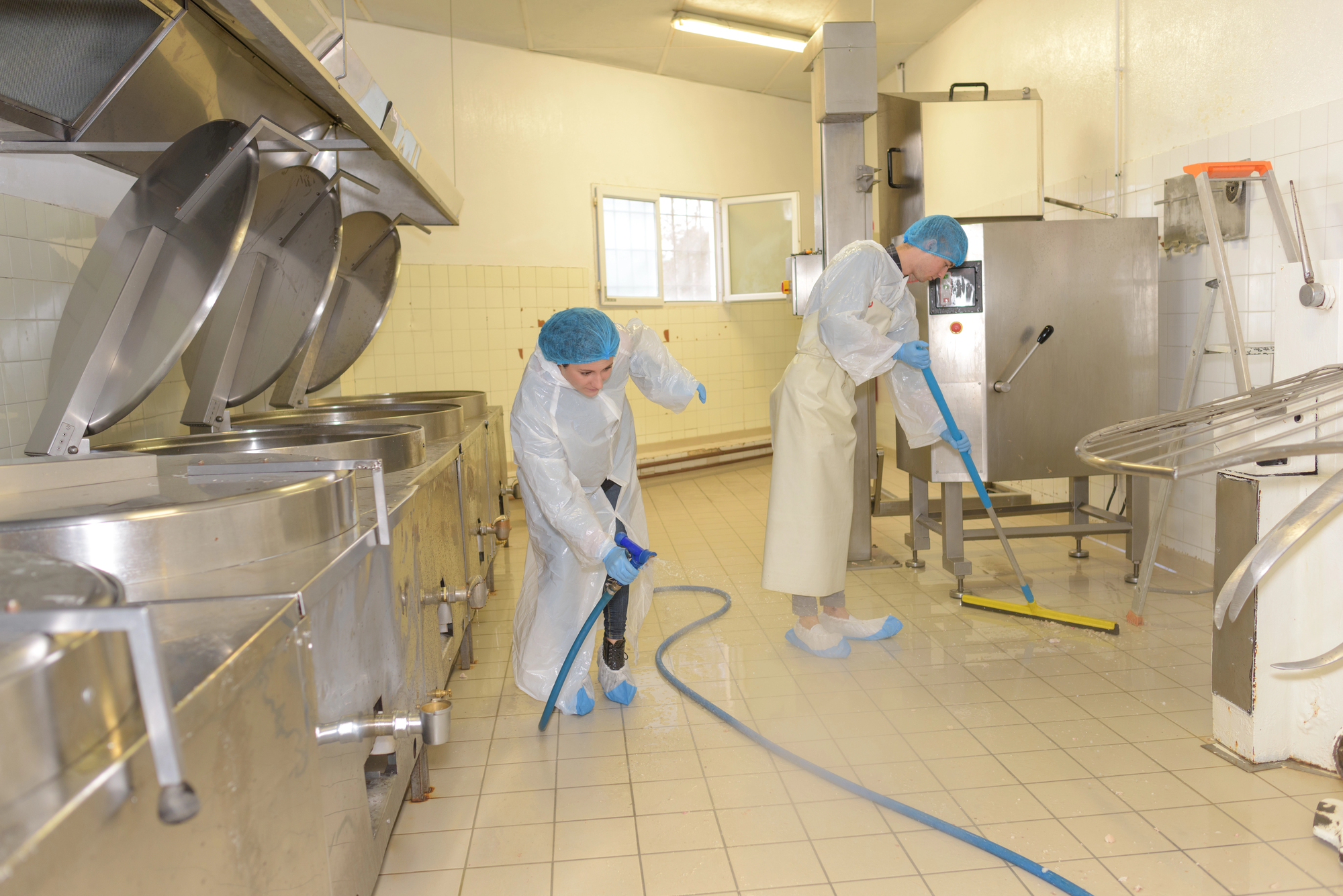

You’ve probably noticed that some environments won’t forgive even tiny imperfections. A seafront plant, a cleanroom under constant washdowns, or a food-processing line—these places don’t play nice.
In these settings, standard camera housings often wear thin…fast. They crack, corrode, and eventually fail. And by then, it’s never just a camera you’re replacing—it’s the costly downtime, the blip in quality control, and the maintenance resources.
That’s why stainless steel has become a go‑to for industrial cameras in certain tough environments. Particularly AISI SS316 stainless steel, a material that quietly and reliably stands up to steam, abrasive chemicals, and salts.
When the Environment Fights Back
Imagine those daily washdowns—hot jets of water, chemical cleaners, steam. That’s one test.
Then add in the smell of salt from nearby docks, greasy acids in processing, or the whisper‑quiet contamination risk in pharma zones—anything that can attack housing materials.
Traditional aluminum housings scratch and flake. Plastics warp. Then moisture sneaks in.
And suddenly your crystal‑clear feed starts fuzzing with fog or shorts out completely.
Stainless steel, on the other hand, just shrugs. Over time, others falter. But the right stainless steel is built to last.
Here’s why.
What Makes AISI SS316 so Tough
SS316 isn’t just any steel. Crafted with chromium, nickel, and importantly, a dash of molybdenum, it forges a tiny, invisible shield against corrosion.
That makes it resistant to all the salty, caustic, or acidic things your plant might throw its way. Even steam cleanings? No sweat.
The addition of molybdenum significantly improves resistance to pitting and crevice corrosion in chloride environments—exactly the kind of protection needed in marine and food-processing facilities.
Plus, it’s incredibly smooth and non‑porous. That’s not just to make it look sleek and cool; it’s simple science: it won’t harbor bacteria, grease, or residue.
And cleaning? A quick wipe or hose down won’t scrape off coatings. No need for repainting or recoating down the line.
Where Stainless Steel Cameras Really Shine
From the relentless spray of high-pressure washdowns to the corrosive bite of salt air and industrial chemicals, stainless steel cameras earn their keep in the harshest conditions. Here’s where their rugged durability isn’t just helpful—it’s essential.
- Food and Beverage Lines: Between washdowns and sanitizing sprays, cameras in food processing facilities can take a beating. Stainless steel cameras resist corrosive cleaners and stand up to high-pressure washes, keeping your video feeds spotless and your quality control on point.
- Pharma and Cleanrooms: These places live and die by sanitation. Enclosed areas must be repeatedly exposed to sanitizers and stay germ-free. With stainless steel’s non-reactivity, you don’t need to worry about surface breakdown on cleanroom cameras. You can just trust in clean, visible feeds.
- Marine and Saltwater Facilities: If you’re near the ocean, salty air can feel like acid to most camera housings. But AISI SS316 is practically built for cameras in marine environments—resisting pitting and rust even under constant maritime spray.
- Chemical and Process Plants: Acids, solvents, alkalis—it’s a wonder anything lasts in these harsh environments. But SS316 handles the exposure day in and day out, letting cameras keep an eye on operations without becoming casualties of corrosion.
Compliance and Peace of Mind
Most plants and facilities are subject to a variety of national and international standards and regulations. With these rules changing faster than you can say “compliant,” you need materials that stand the test of time. Unlike coatings or paint-only housings that degrade over time, stainless steel delivers long-term reliability.
No flaking, no hidden corrosion—just solid, compliant performance.
Some of the compliance-related benefits of SS316 include:
- Hygiene-ready surfaces, ideal for FDA and USDA standards in food and pharma
- High IP ratings: dust-, splash-, and impact-proof—sealed tight even during pressure washes
- Longevity you can count on to avoid the cycle of replace-repair-repeat
Why Opticom Chooses Stainless
In our stainless steel camera line, we go full spec with marine‑grade AISI SS316. We pair it with top-tier seals and rugged domes, as well as vibration-resistant mounts.
Here’s what that means for you:
- Reliability that lasts, not only “until the next wash”
- Minimal maintenance, with no coatings to touch up
- Built-in compliance, right out of the box, including NDAA and TAA
- Peace of mind with equipment that works through whatever your process brings
Wrapping Things Up
Some environments are relentless. If your camera system is monitoring one of them, it needs to be built for it. AISI SS316 stainless steel cameras aren’t just tough; they’re dependable. They shrug off what would destroy lesser housings, and they keep doing it without fuss or frills.
That’s why we build them this way.
Want to learn more about stainless steel cameras and whether they are a good fit for your facility or not? Get in touch with our consultants—we’d be happy to help you choose the right system for your needs.
At Opticom Tech, we don’t just sell cameras; we help facilities build the right system for each environment. You don’t need stainless steel or ruggedized cameras in every corner of your facility—and we’ll help make sure you have what you need where it matters.